Category: Uncategorized

  • Bike to Work!

    If you own a bike, you should try biking to work. The reasons are many: it’s good for the environment, good for your soul, it’s fun, and when your co-workers see your helmet hanging off your backpack you’ll get all kinds of kudos too! Oh, not to mention gas prices. According to some internet searching the average American commutes about 12 to 14 miles one way, let’s use 13 for our math. As of writing this the national average gas price is 4.46 per gallon. Fuel economy is the most difficult to nail down since there is such a wide range, but let’s go with 26 mpg to make the math really easy. That means you are saving $4.46 every day. If you only commute a couple times that won’t likely move the financial needle, but money probably isn’t the most valuable aspect. Did I mention it will make you feel good? Biking to work forces you to slow down, literally and figuratively, see things differently and enjoy the outdoors and I think that is priceless. There are however some things to consider so let’s go over a few things. 

    Equipment

    First off is the bike. The best bike for your first commute is the bike you own! Don’t go buy a bike if you already have one, however do make sure it is in good working order. Check that the tires hold air, and that it shifts and brakes well. Also, it is always a good idea to make a small kit that has a spare innertube, tire levers and a way to inflate it. The next biggest piece of equipment is something to hold your gear (clothes, laptop, etc). Many commuters like a rear rack and panniers, but again, don’t go buy them right now. I suggest using a regular backpack for your first time. Keep it simple. Clothing depends on a lot of factors such as time of year and weather but for our first time we are going to plan this around a nice day, therefore any outdoor clothing will work, just be aware that if you are wearing loose fitting pants you will want to tight roll or use a band around your ankle to avoid a cuff getting caught in the chain. I’m assuming you already have a bike helmet…wear it! 

    Planning

    We want this first time to be hassle free. Look ahead at the weather forecast and pick a day with good weather and better yet pick a day where you don’t have any early morning meetings. This will take longer than driving a car so you need to account for that as well. When I am considering bike to work times I think about the whole package, what I call “door to desk”. This includes the ride, stop lights, arrival (changing, showering, etc) and getting to my desk. In my case I can ride about 18 to 20 mph, meaning I should complete my 16 mile commute in less than an hour. In reality though, my door to desk time is consistently about 1.5 hours. This is an important consideration, your boss will agree. Remember you have to come home too, don’t ride in on a day where you have kid pick-up duty or an after-work appointment. 

    Other Logistics

    Will you be riding in the dark? If so, remember a light. Will you be showering at work? If so, remember a towel. Yes, I have gotten to work and realized I forgot a towel. I had to use paper towels to dry off after my shower. Don’t forget other toiletries either (comb, deodorant, etc).Does your work have bike storage or do you need to bring a bike lock?Do you bring your laptop home everyday? Maybe on the day you have planned, you could leave it at work the day before, this helps lighten the load and lets you disconnect when at home. 
    The Route

    Unless you are already very familiar with the local roads and bike routes, it might be a good idea to spend some time planning a route. If you have a paid Strava account you can build maps, there are also free options like Ride With GPS that lets you plan a route with a free account. These apps let you see bike paths, distances and even terrain types such as pavement or gravel. You can also use these for navigating or download a cue-sheet that gives you turn by turn directions. 

    This should be enough to get you started. Oh, one more thing; headphones. I get it, some people really love music or audiobooks, but I don’t feel riding a bike is the right time for it. When I’m riding, I want all my senses being used and if you can’t hear someone yelling, or car tires squealing then you are putting yourself in danger. If you must wear headphones, be sure to NOT use them on noise cancelling or only use one of them. OK, I’m off my headphones soapbox, now get out and enjoy the ride!

    You can also check out the video of this content here: Bike to Work!

    Below are affiliate links to a few of the repair items that I use and fully endorse. Note that if you click and purchase from these links, I may get a small commission, but at no cost to you.

    Affiliate links:

    Allen wrench set: https://link.amazon/B0257FEll

    Tire levers: https://link.amazon/B058xyBiN

    Bike pump: https://link.amazon/B0fIV0TlI
  • Bike Thoughts

    I have built several bikes, it is something I love doing and I love working on my bikes. I think that opening line has also changed my view on bike builds, but I wish more people would learn basic bike maintenance as I feel this is also impacting trends in the bike industry. Just the other day, I went to a bike shop to pick up a replacement tire, as I was waiting in line to check out, as father and son came in with a relatively new bike. They didn’t come in because the crankset was loose or a cable was broken, rather, they had a flat tire. I personally couldn’t fathom riding a bike and not knowing how to fix a flat. It is this exact ineptitude that bike brands are leveraging to make more complicated and expensive bikes. If more people would work on their own bikes, bike brands would not make them so complicated to work on! The best example I can think of is internal cable routing. Yes, it might look nice and clean to have a bike frame with no cables on it…until you need to service the bike and you will be grumbling all the way, or paying (literally) for the service. Take that one step further and now many brands have cable routing that goes through the headset. I have built exactly ONE bike with headset routing and I hope to never have to do that again. So lets break it down into a few different categories, keep in mind these are my opinions. 

    Frames

    I have ridden most kinds of bike frames and I can tell you that carbon is my least favorite. In fact, my last carbon frame bike is currently for sale. Let me say, there is nothing inherently wrong with carbon as a frame material, I just think it feels harsh and overly expensive for what the everyday consumer needs. The fact that a carbon bike is two pounds lighter than a steel bike is irrelevant if the rider packs an additional 20 pounds of gear to go on a ride. Leave carbon for the racers. For a full suspension mountain bike I prefer aluminum. You are already using suspension to take up any chunky stuff so you may as well save money and weight by going with aluminum. For a rigid bike like a road bike or gravel bike I prefer steel. To me, nothing rides like a nice steel bike. Not to mention steel is basically infinitely repairable. 

    Drive Trains

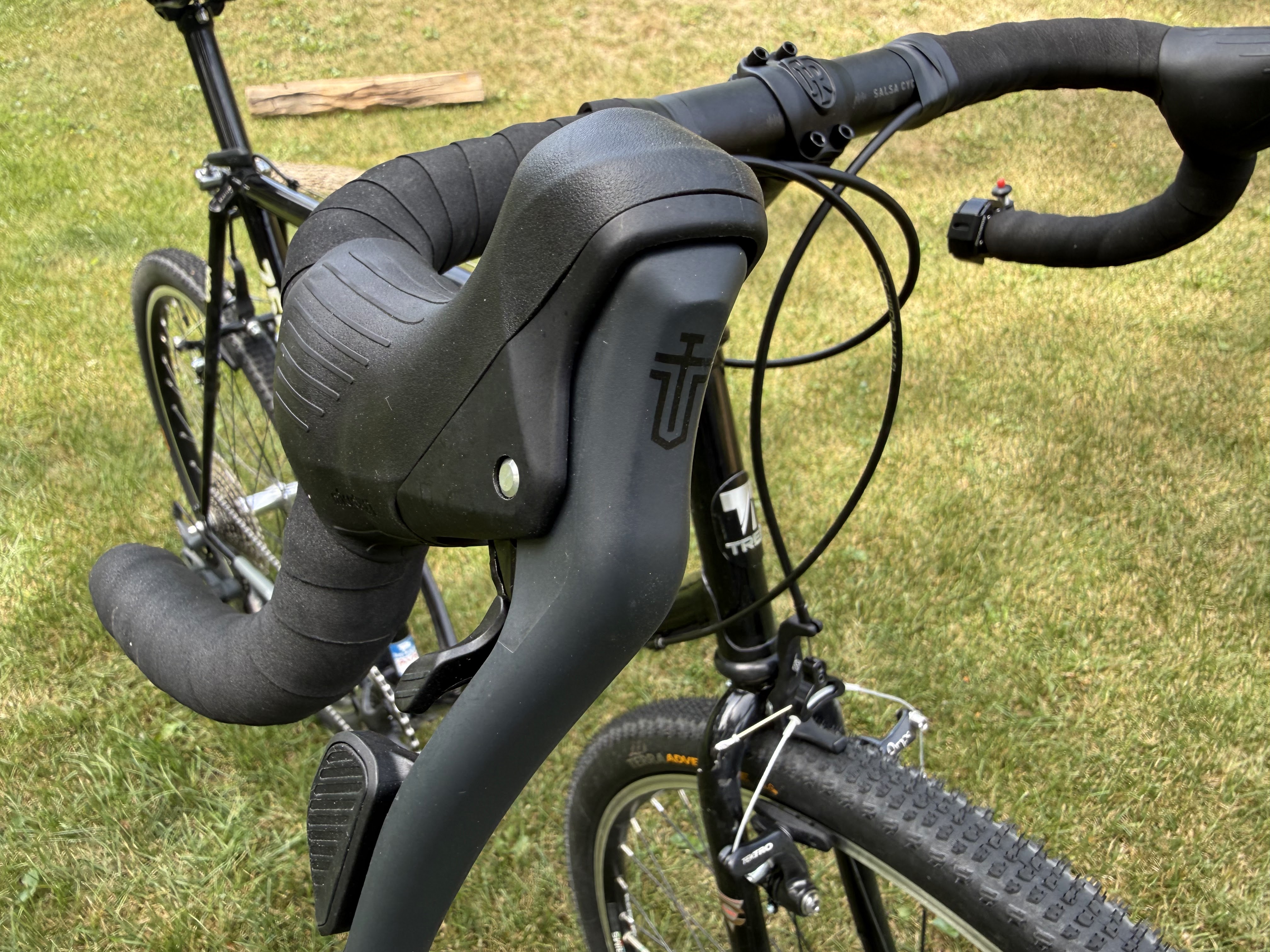
    I will leave single speeds out of this discussion, but the only thing I’ll say is that if you have never ridden a single speed you should give it a try, it is fun! But we are talking about geared drive trains. One trend that I have totally embraced is 1x systems. I hate setting up a front derailleur and the complexity that comes with it. Again, I know a ton of people run doubles, but I prefer 1x. While I have embraced 1x drivetrains, I do not embrace electronic shifting. If there is one aspect of my life I absolutely do not want infiltrated with apps and batteries it is my cycling experience. When it comes to brands, use what you like. Some people prefer SRAM over Shimano, etc. For Mountain bikes I like SRAM. I think the SRAM Eagle GX is the best bang for your buck for mountain bikes. For gravel/road bikes I have a bit less experience, but I really like the Shimano GRX groupset for something on the higher end, but I have to say I have been blown away by the Microshift Sword 1×10 groupset. This is a fully mechanical groupset that shifts and brakes wonderfully. I am currently using the dropbar version and love it. 

    Brakes

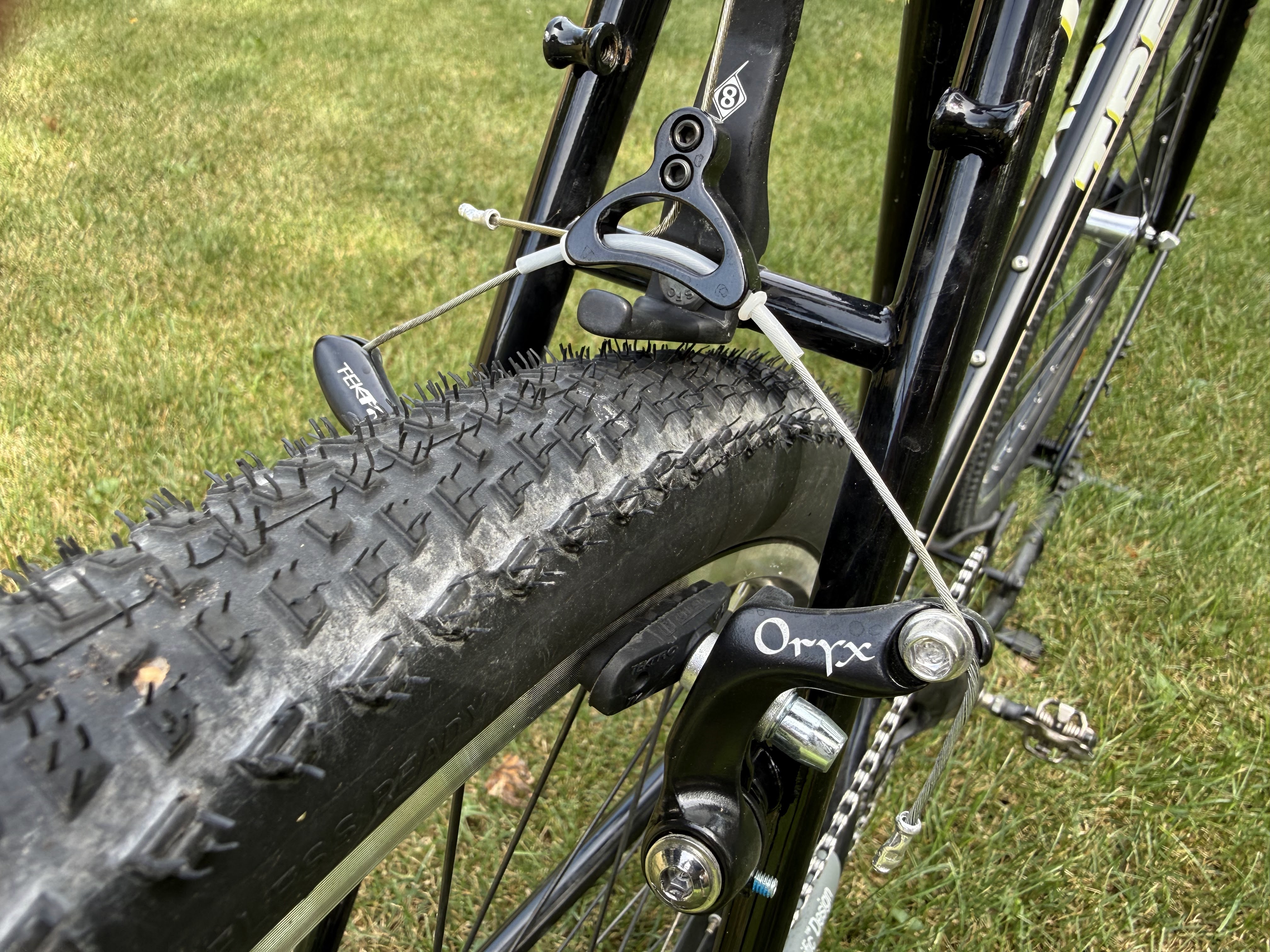
    In this case my acceptance of all brakes is probably just as controversial as taking a stand. The fact that I am totally fine with rim brakes, especially on a road or gravel bike might surprise people. The one area that I really do like hydraulic disc brakes is on my mountain bike. Other than that I am perfectly fine with rim brakes and would even go so far as to recommend them to people wanting to set up and work on bikes as they are straightforward and intuitive. 

    Tires

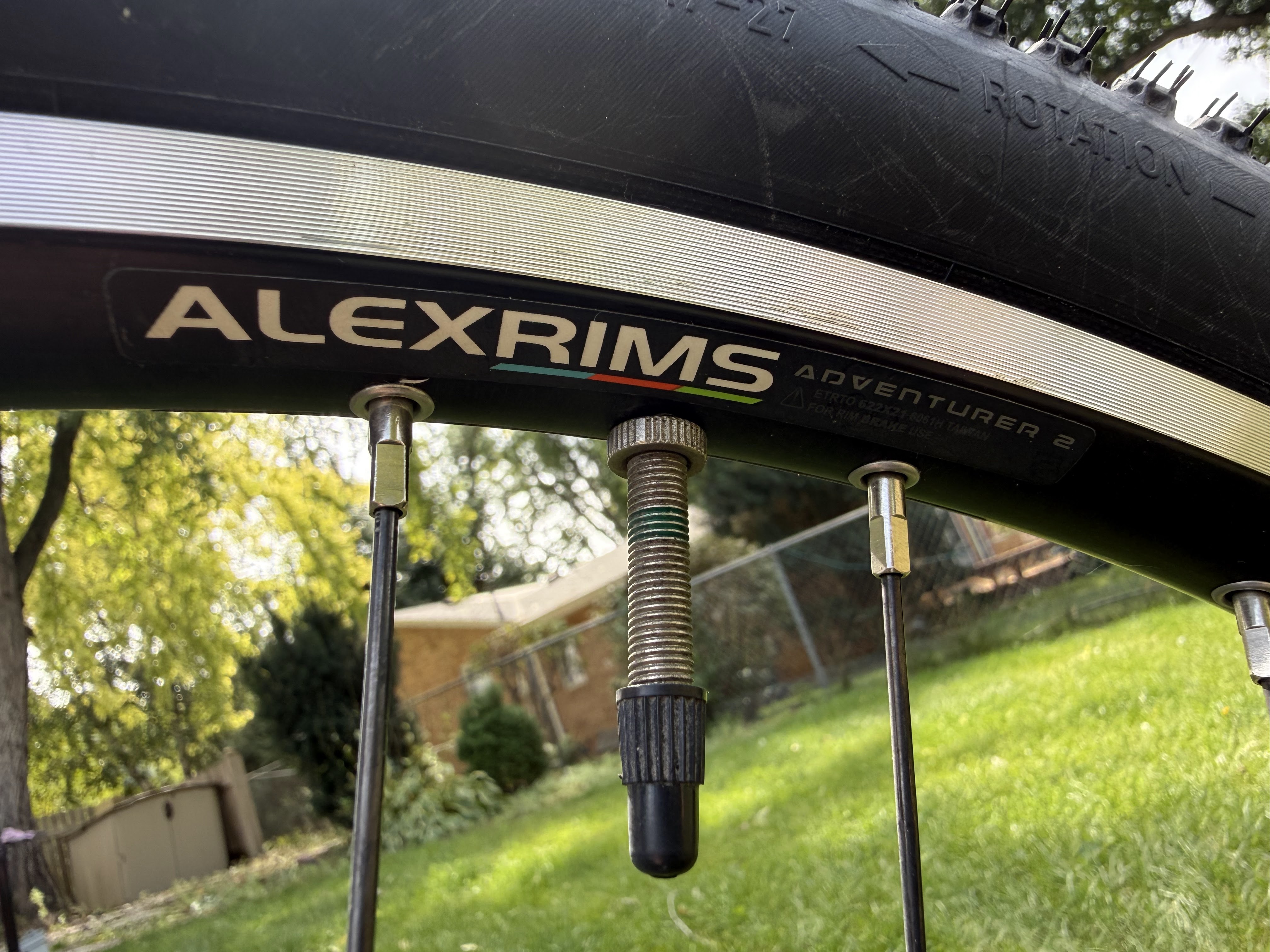
    My thoughts on tires are simple: stick with the main brands and get a tire that fits your riding. Don’t force an enduro tire on your gravel bike, it won’t be a fun ride. I do prefer tubeless due to the ability to run lower pressures, but really because all those little nicks and cuts that used to be a slow leak are no longer an issue. Yes, you can get tubeless compatible rim brake rims too! I just built a set using AlexRims Adventurer 2 rims that are rim brake, tubeless compatible and have a wider internal rim width to fit 45mm tires better!

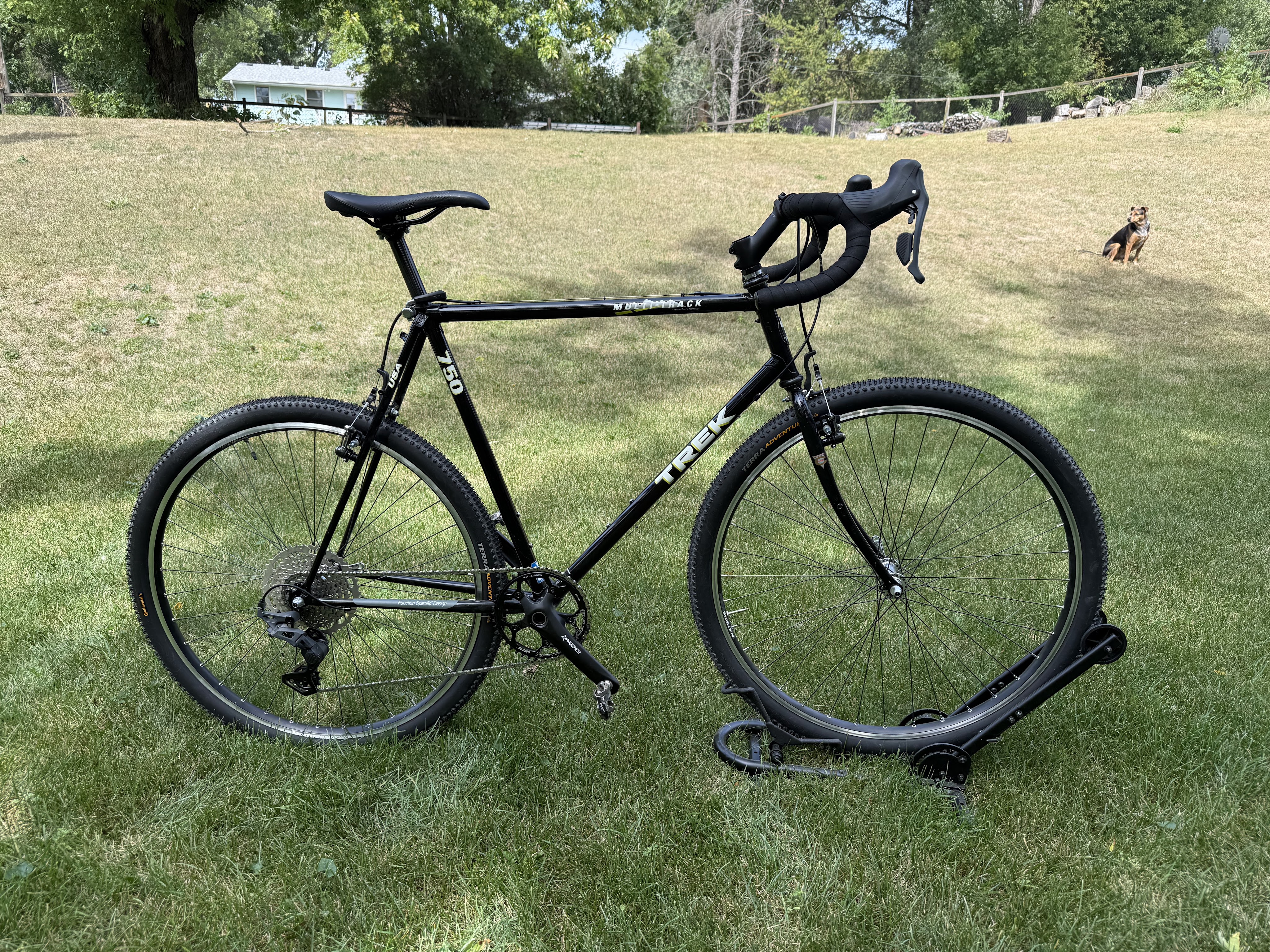
    In the end, what is the point of this? Ride what you like! Don’t feel trapped or fooled by marketing telling you what you should ride. If you really like a fully modern carbon race bike, go for it. If you want to ride your old Schwinn coaster brake bike, that’s fine too. For me it doesn’t get much better than a vintage steel frame built up with modern components when possible. Check out these videos of my most recent build from a 1991 Trek MultiTrack 750. 

  • Chequamegon MTB Prep

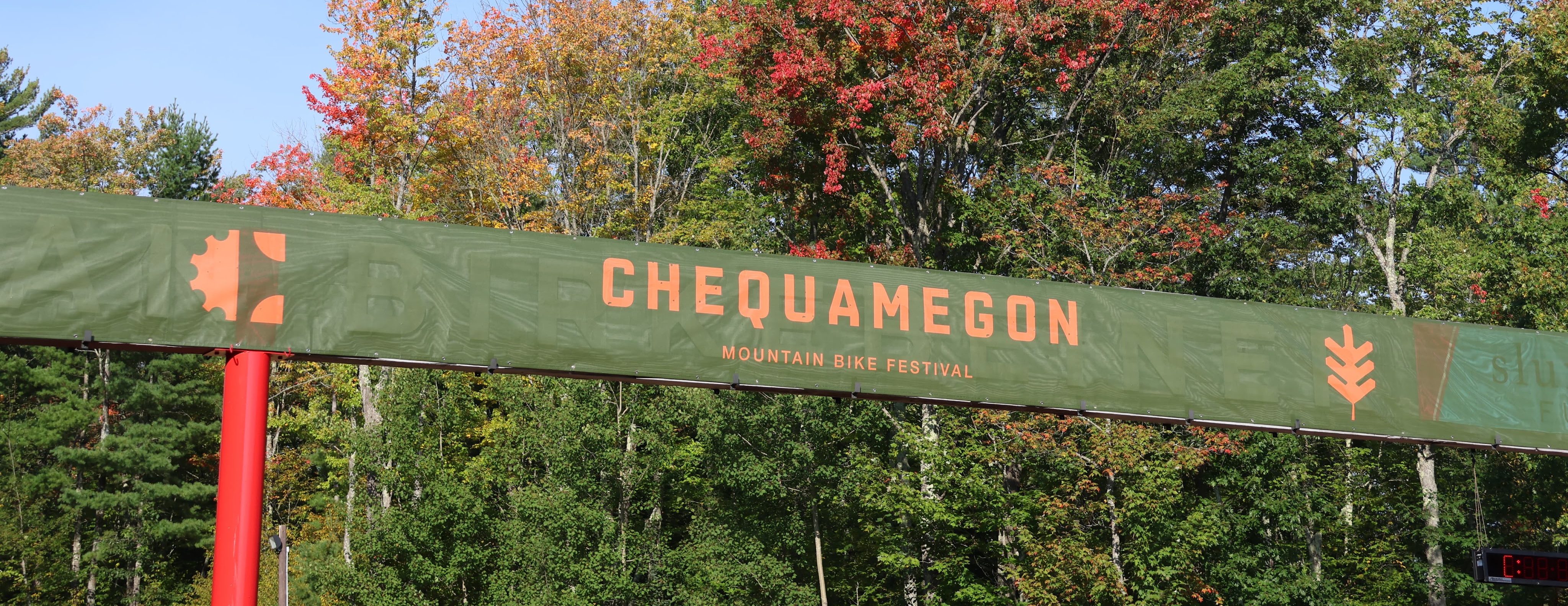
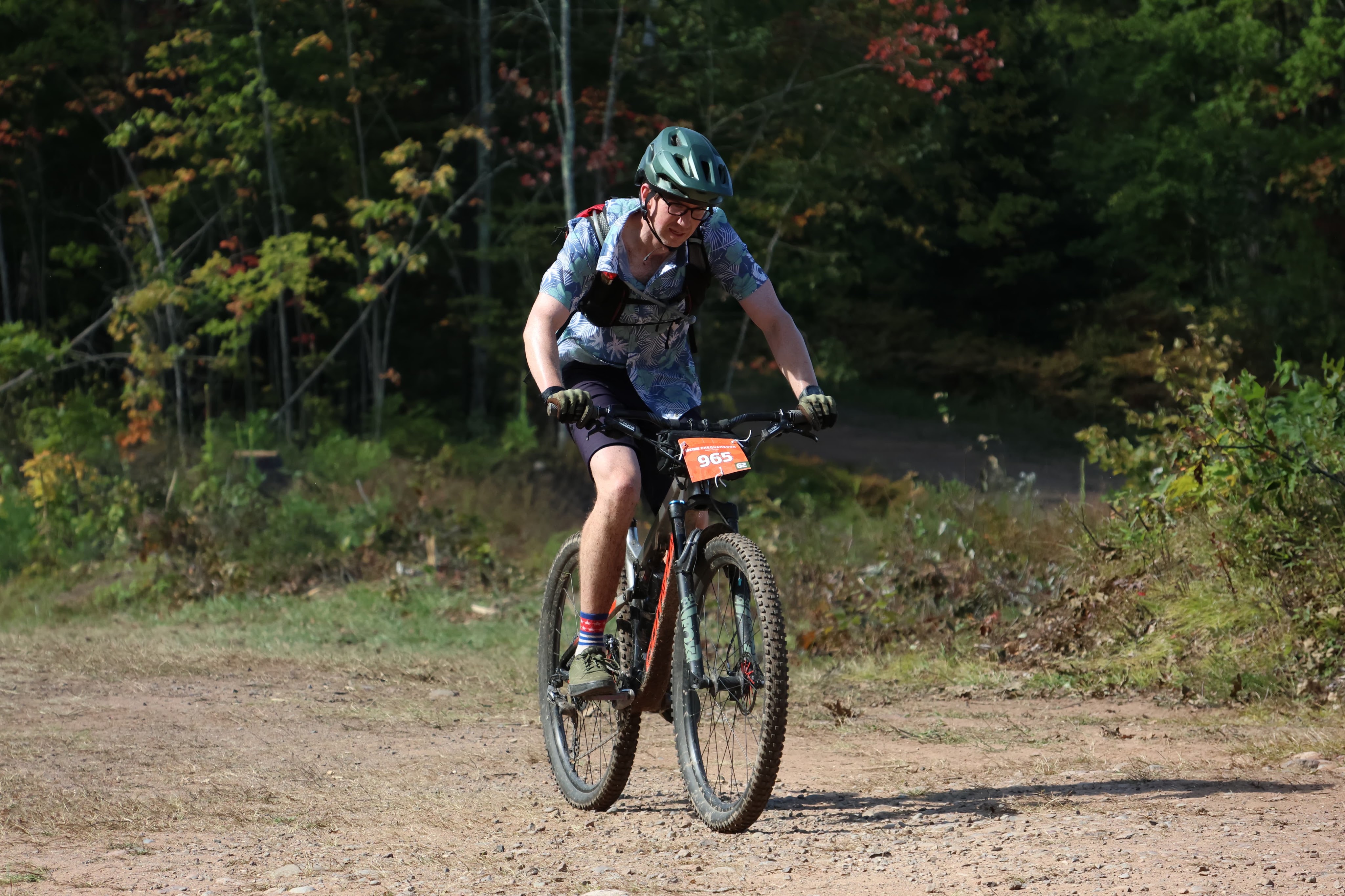
    The 2026 edition of the Chequamegon (pronounced shwah-meh-gun) mountain bike festival is a little over one month away. So if you haven’t started training now is a good time! This will be my third time riding the event and it is my favorite event of the year. There is something unique about Chequamegon. Maybe it is the atmosphere, but honestly, the same type of atmosphere happens at Lutsen and other events too. Maybe it is the rich history.

    Chequamegon

    The Cheq40 was started over 40 years ago when this type of bike race was unheard of. The American Birkebeiner Nordic ski race was already well established as one of the premier ski races in North America and Telemark employees thought an off-season bike race would draw tourists to the area. The point to point 40+ mile bike race starts in Hayward and ends at the American Birkebeiner Trailhead at Mt. Telemark outside of Cable, WI. This is the opposite direction of travel that the ski race follows but much of the race takes place on the ski trails, more on that later. While the first edition of the race only had 27 riders, a typical year now sees close to 3,000 participants. Another cool thing about this race is the elite field. The Cheq40 is one of the stops on the Lifetime Grand Prix tour, so it sees the best off-road cyclists in the world. What makes it truly unique however, is that the pro/elite group starts after everyone else. This format means the finish line is filled with participants who have already finished the race and get to see the mad dash of the pros. 

    So how to prepare for this race? On the surface 40 miles (its actually more like 43) is not a long race, many of us go on much longer bike rides than this, sometimes multiple times a week. Even though the length is not bad, I still consider this right up there in difficulty compared to the Lutsen 99er. Now some people might think that is a crazy statement, let me explain. I think it comes down to two main factors: the short course mentality and the track. For me at least the short course is where it starts, because it is shorter than say the Lutsen 99er, I automatically think it will be easier, that I can go faster and generally just “get after it” more than a longer race. This feeds directly into the second part. Remember when I said much of the race takes place on the Nordic ski trails? In the summer, those ski trails are just grass. The ski trail is approximately 15 feet wide of mowed grass, and usually a small ribbon of single track. What this presents to the mountain biker is a long line of riders in the singletrack, taking advantage of the speed and less effort. BUT, there is a huge temptation to get out of the singletrack and pass/ride a bit more freely on the grass. While this may be warranted in some cases, it can be part of your demise as well. You won’t notice it for many miles, but riding in the grass takes a lot more effort than riding on dirt. By the time you get to the firetower climb and the seven sisters climbs after that, your legs will certainly let you know how much time you have spent in the grass. In my opinion the single largest factor and strategy for this race is how much effort you spend on passing/riding in the grass versus saving that energy to pound on the gravel sections. If there has been rain and the course is muddy then all bets are off, just try to survive!

    Now back to the prep, as mentioned before, the distance isn’t crazy, so any decent amount of volume training should suffice, BUT, it should also include a fair amount of hill work. There is a lot of climbing at the Cheq40 and you need to make sure your legs are ready for it. As we all know, what goes up must come down, so if you are leary about fast descents, this may also be something to work on. The descents are fast but this is also a time where you can get out of the single track and get a little more elbow room. Yes, you may be a little slower in the grass, but a fast descent is not where I want to be crowded. Also a note on the descents; even if it hasn’t rained, it is likely that the grass will be dewy in the morning. Wet grass and a fast downhill can spell trouble if you aren’t ready for it. I have seen folks slip out and end their race early. 

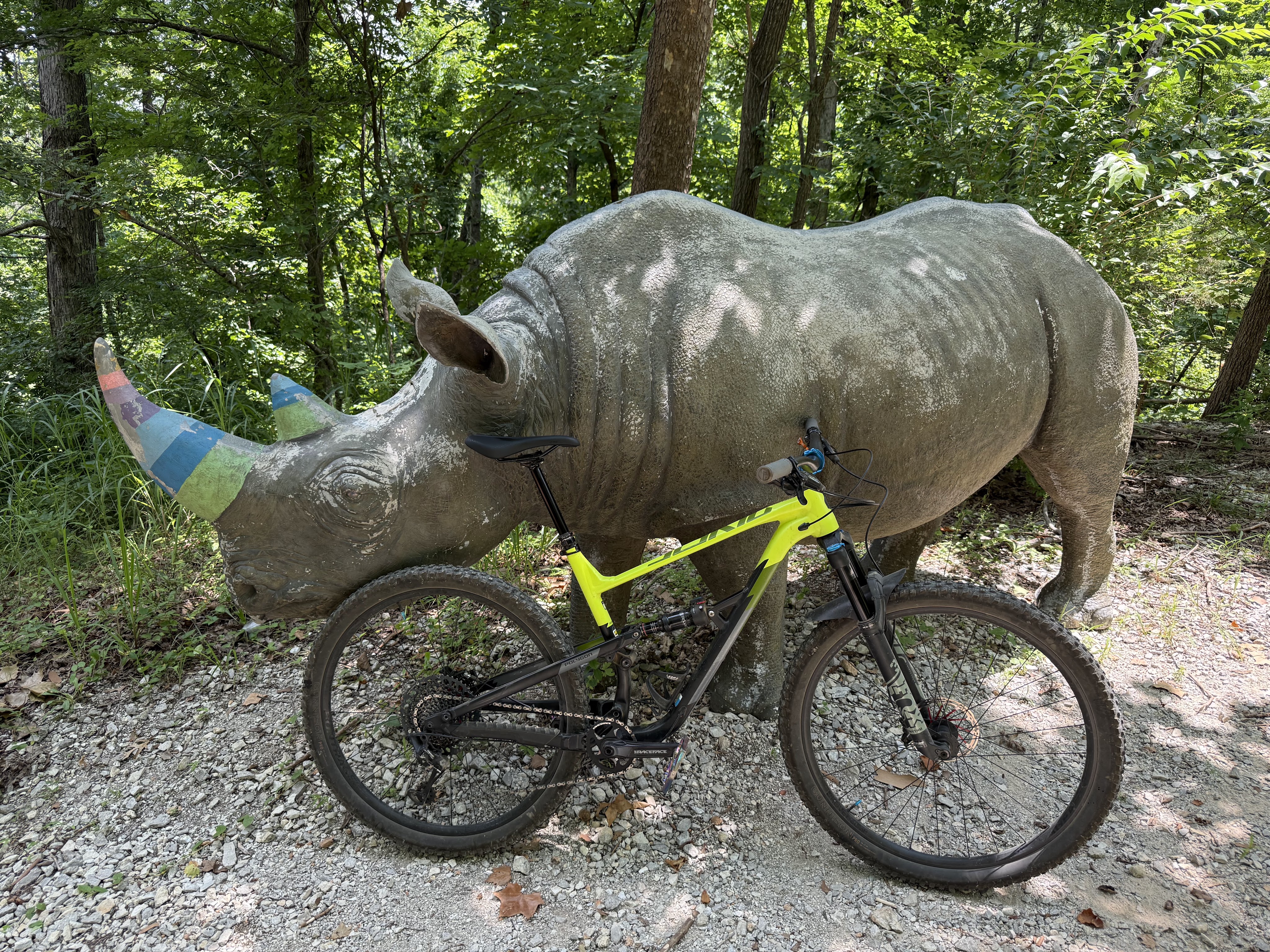
    Let’s talk about gear and equipment and we’ll start with bikes. At the Cheq40, you will see every type of bike, so there really is no wrong answer there. You will see fat tire, drop bar gravel, hardtail, full suspension and everything in between. My preference is a full suspension XC bike. There are enough rough sections that full suspension is nice as it keeps your tires on the ground where they belong. As mentioned there is a lot of climbing, so make sure your bike can climb. Choosing a huge travel downhill bike might lead to a long day. My bike this year is a full suspension XC/downcountry bike that has 130mm front travel and 120mm rear travel, with 29” wheels. Don’t feel as though you need the best bike out there to take on this race. My bike is the Polygon Siskiu D7, not a fancy bike by most people’s standards, but I love it. There are a few longer sections of gravel where I’ll reach down and lockout my shock and fork, I only do this a couple times so remote lockout isn’t needed at all, but if you already have it, more power to you! 

    Moving on to tires, this will probably spark more debate than anything else. I prefer a faster rolling, narrow (by todays standards) XC tire. My preferred choice is the Vittoria Mezcal in 2.25”, Other options may include Schwalbe Racing Ralph, or Maxxis Rekon. Regardless of tire choice I recommend a tubeless setup, but of course I always carry a spare tube with me for emergencies. 

    There are other equipment choices that are important too. Your choice of shoes/pedals is one of these. Most important is to ride what you are comfortable with, if you have never ridden “clipped in” don’t start now. But if you are totally comfortable with it, then go for it. As mentioned there are some gravel sections and lots of climbing where being firmly attached to your bike can help. My only caution is that there are also steep climbs like the aforementioned firetower climb. There are not a lot of riders who make it up this climb without walking, so just be prepared to unclip. I have done this race on flats and clipped in and don’t have a strong feeling either way, this one comes down to a comfort level of the rider. 

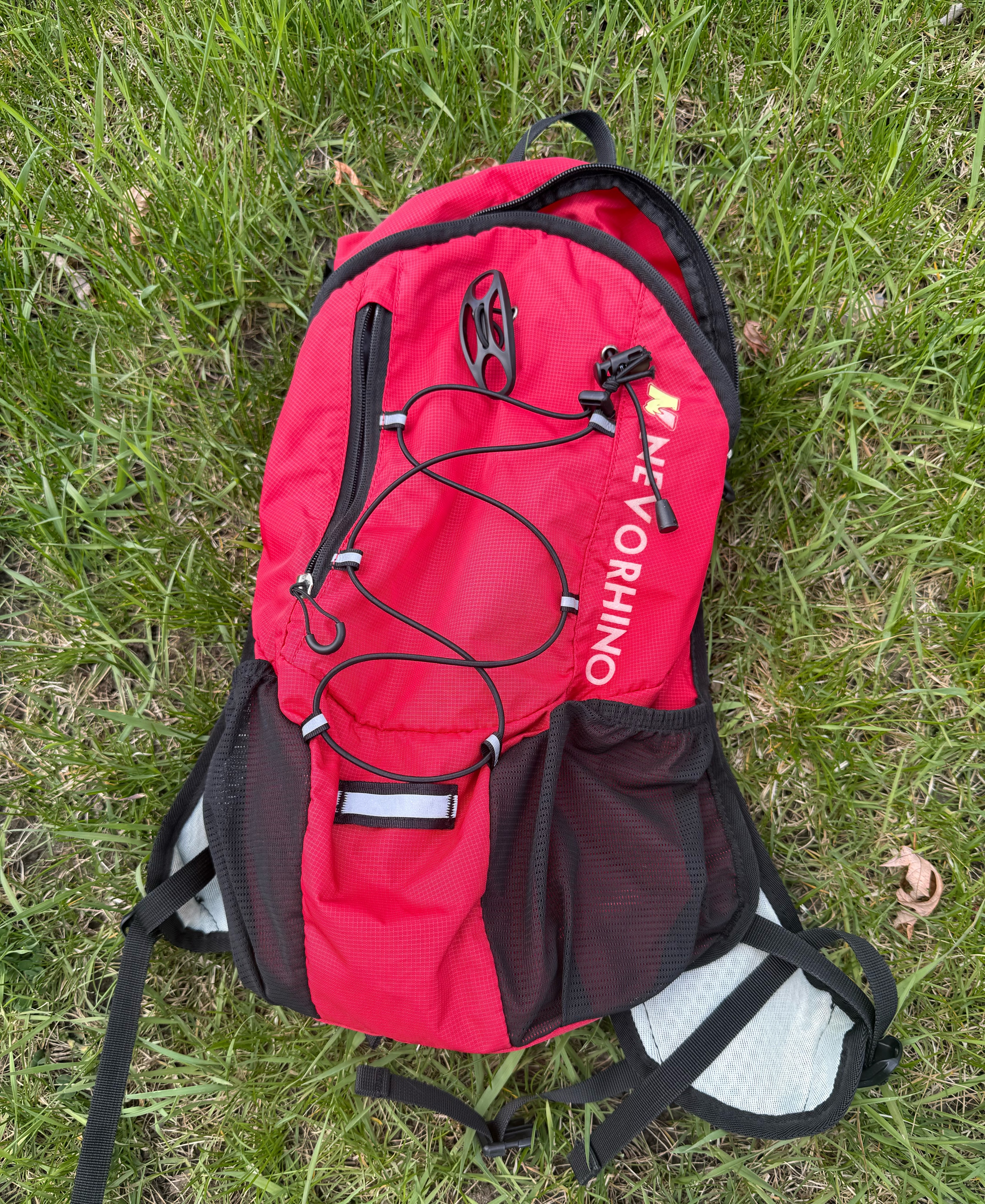
    Lastly, we can touch on nutrition and hydration. There is enough at aid stations to get you through the race, but if you aren’t wanting to stop then you will need a hydration system or bottles. While I like to keep stuff off my back when possible, this is a race where I prefer a backpack hydration bladder. It keeps my hands on the handlebars as much as possible, 2 liters is enough for the ride, and I don’t have to worry about losing water bottles. There are a few downhills that are a little rowdy, and as you will see, it will look like a water bottle graveyard. Whenever I pass these spots I feel bad for the folks who lost one of their bottles for the rest of the ride. If you will be using bottles, make sure your cage holds it tight in rough sections. I have used the same hydration pack from Amazon for many long races and thousands of miles and it has held up remarkably well, the only change I made was to replace the stock bladder with a Nathan bladder. These items can be purchased from Amazon by clicking the links below, note that if you click and purchase I may get a small commission at no cost to you. 

    N Nevo Rhino Pack

    Nathan Hydration Bladder

    For a detailed post on what I use for nutrition and hydration on long rides check out this blog post: Next Level Hydration and Fueling – Trail Turtles 

    The most important thing to bring with you to the Chequamegon Mountain Bike Festival is a good attitude. Whether you are chasing a PR or a finish, you will experience nothing like this event. Have fun and keep pedaling!

  • Name Change

    Silent Sports is now called Trail Turtles!

    When I started this I thought “Silent Sports” was just a fun and aptly named title. The reason I thought this is that I had heard it before. There is a wonderful publication of the same title that I did not want to infringe on. There is also a company from California of the same name that sells windsurfing and kiteboarding stuff. So before things got awkward I thought it would be better to be proactive.

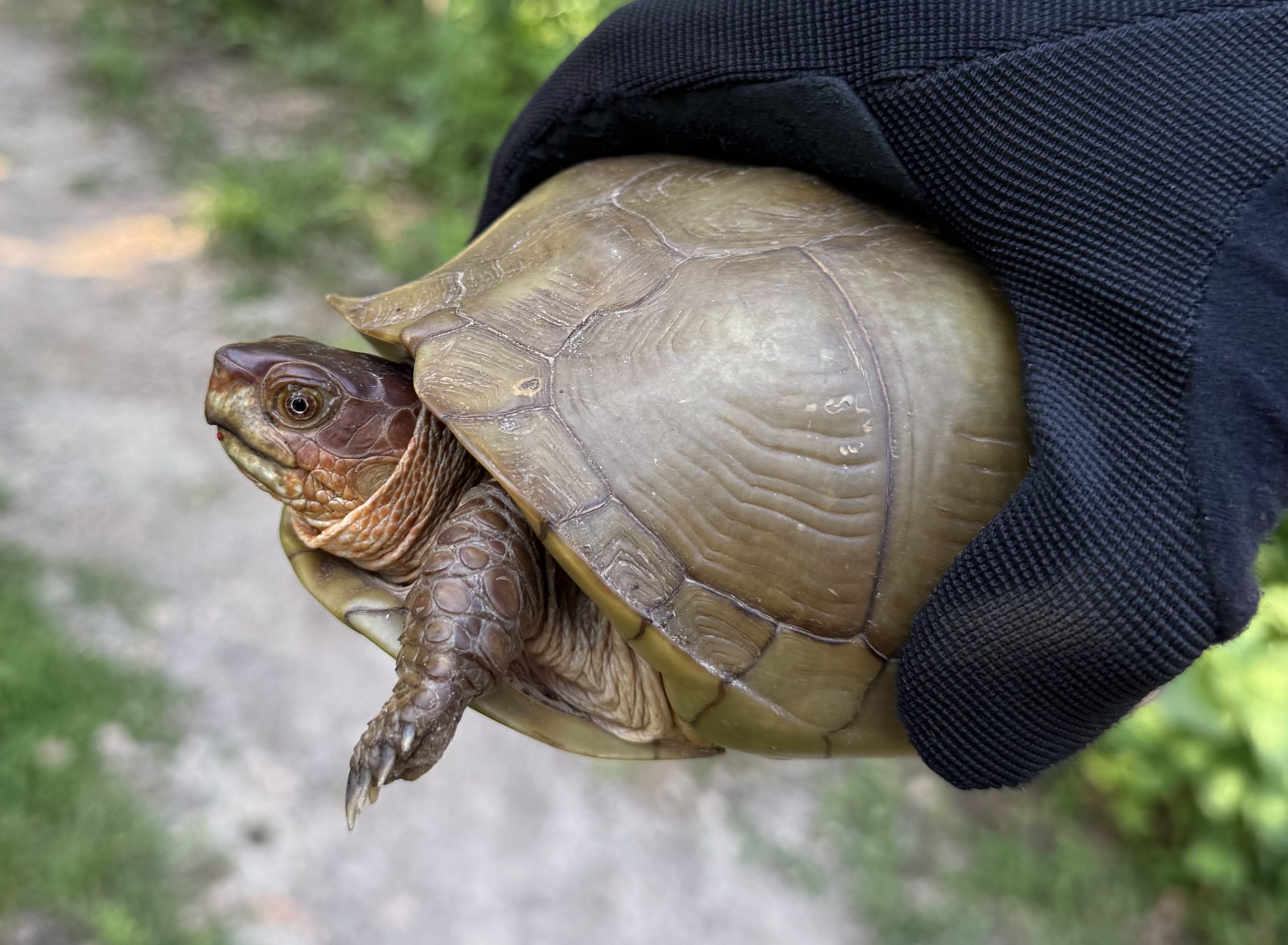
    What does Trail Turtles mean? It can mean a lot of things, particularly the idea that it is important to get out on the trails regardless of your skill or experience. I have heard many people make a statement to the effect of “I’m not good enough to go mountain biking, skiing, etc”. That is a bunch of crap, get out there and have fun, we can all be a trail turtle! Also, I love turtles! I think they are one of the coolest animals. I tend to come across many turtles on the trail and will always take the time to move them from harms way. This lovely Box Turtle was doing its thing on our recent trip to Bentonville, time to move buddy!

    Trail turtles

    So get out there, do your own thing and don’t be afraid to be a trail turtle!