The 2026 edition of the Chequamegon (pronounced shwah-meh-gun) mountain bike festival is a little over one month away. So if you haven’t started training now is a good time! This will be my third time riding the event and it is my favorite event of the year. There is something unique about Chequamegon. Maybe it is the atmosphere, but honestly, the same type of atmosphere happens at Lutsen and other events too. Maybe it is the rich history.
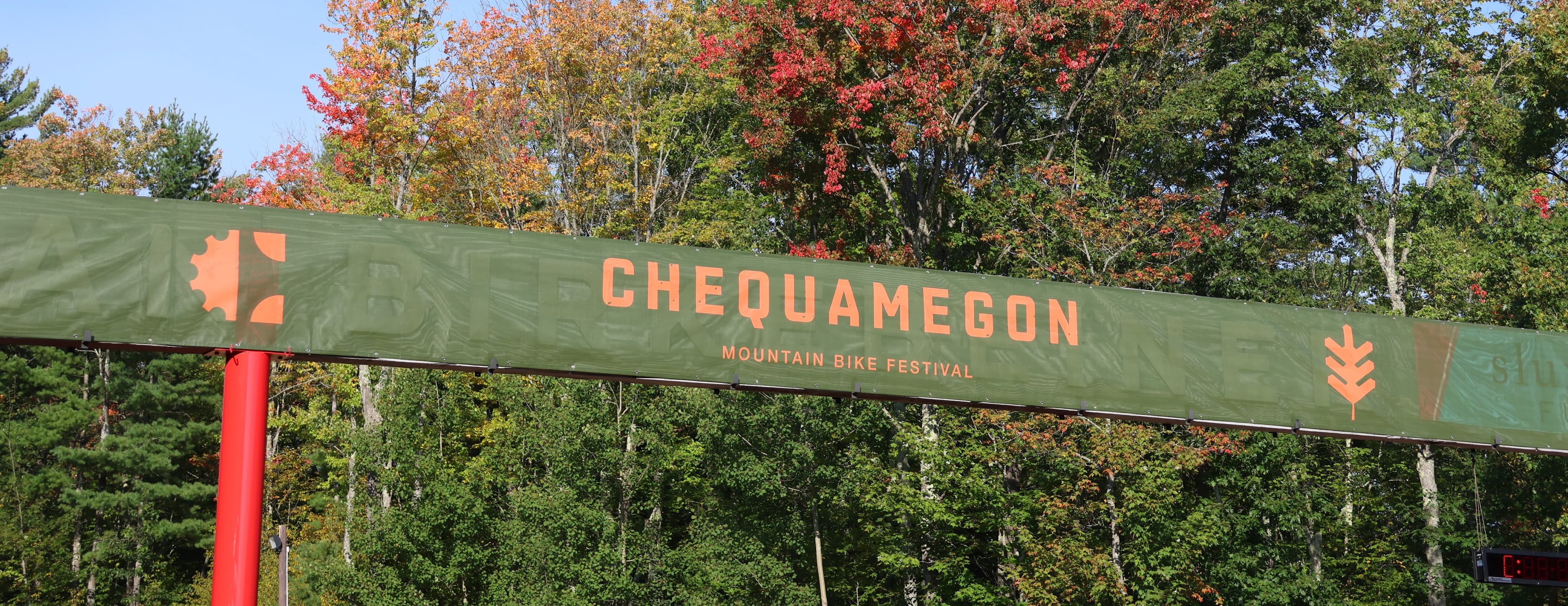
The Cheq40 was started over 40 years ago when this type of bike race was unheard of. The American Birkebeiner Nordic ski race was already well established as one of the premier ski races in North America and Telemark employees thought an off-season bike race to draw tourists to the area. The point to point 40+ mile bike race starts in Hayward and ends at the American Birkebeiner Trailhead at Mt. Telemark outside of Cable, WI. This is the opposite direction of travel that the ski race follows but much of the race takes place on the ski trails, more on that later. While the first edition of the race only had 27 riders, a typical year now sees close to 3,000 participants. Another cool thing about this race is the elite field. The Cheq40 is one of the stops on the Lifetime Grand Prix tour, so it sees the best off-road cyclists in the world. What makes it truly unique however, is that the pro/elite group starts after everyone else. This format means the finish line is filled with participants who have already finished the race and get to see the mad dash of the pros.
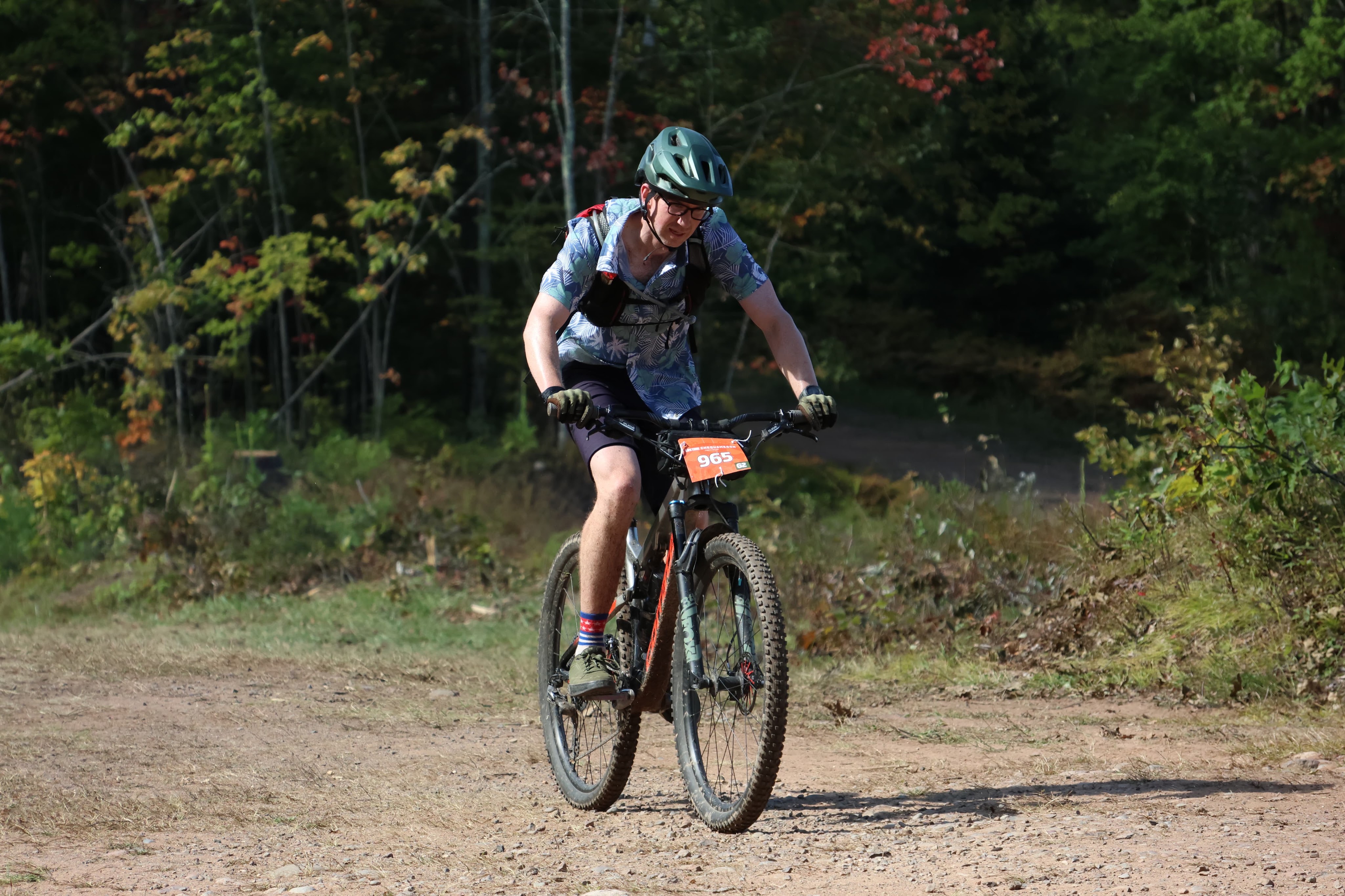
So how to prepare for this race? On the surface 40 miles (its actually more like 43) is not a long race, many of us go on much longer bike rides than this, sometimes multiple times a week. Even though the length is not bad, I still consider this right up there in difficulty compared to the Lutsen 99er. Now some people might think that is a crazy statement, let me explain. I think it comes down to two main factors: the short course mentality and the track. For me at least the short course is where it starts, because it is shorter than say the Lutsen 99er, I automatically think it will be easier, that I can go faster and generally just “get after it” more than a longer race. This feeds directly into the second part. Remember when I said much of the race takes place on the Nordic ski trails? In the summer, those ski trails are just grass. The ski trail is approximately 15 feet wide of mowed grass, and usually a small ribbon of single track. What this presents to the mountain biker is a long line of riders in the singletrack, taking advantage of the speed and less effort. BUT, there is a huge temptation to get out of the singletrack and pass/ride a bit more freely on the grass. While this may be warranted in some cases, it can be part of your demise as well. You won’t notice it for many miles, but riding in the grass takes a lot more effort than riding on dirt. By the time you get to the firetower climb and the three sisters climbs after that, your legs will certainly let you know how much time you have spent in the grass. In my opinion the single largest factor and strategy for this race is how much effort you spend on passing/riding in the grass versus saving that energy to pound on the gravel sections. If there has been rain and the course is muddy then all bets are off, just try to survive!
Now back to the prep, as mentioned before, the distance isn’t crazy, so any decent amount of volume training should suffice, BUT, it should also include a fair amount of hill work. There is a lot of climbing at the Cheq40 and you need to make sure your legs are ready for it. As we all know, what goes up must come down, so if you are leary about fast descents, this may also be something to work on. The descents are fast but this is also a time where you can get out of the single track and get a little more elbow room. Yes, you may be a little slower in the grass, but a fast descent is not where I want to be crowded. Also a note on the descents; even if it hasn’t rained, it is likely that the grass will be dewy in the morning. Wet grass and a fast downhill can spell trouble if you aren’t ready for it. I have seen folks slip out and end their race early.
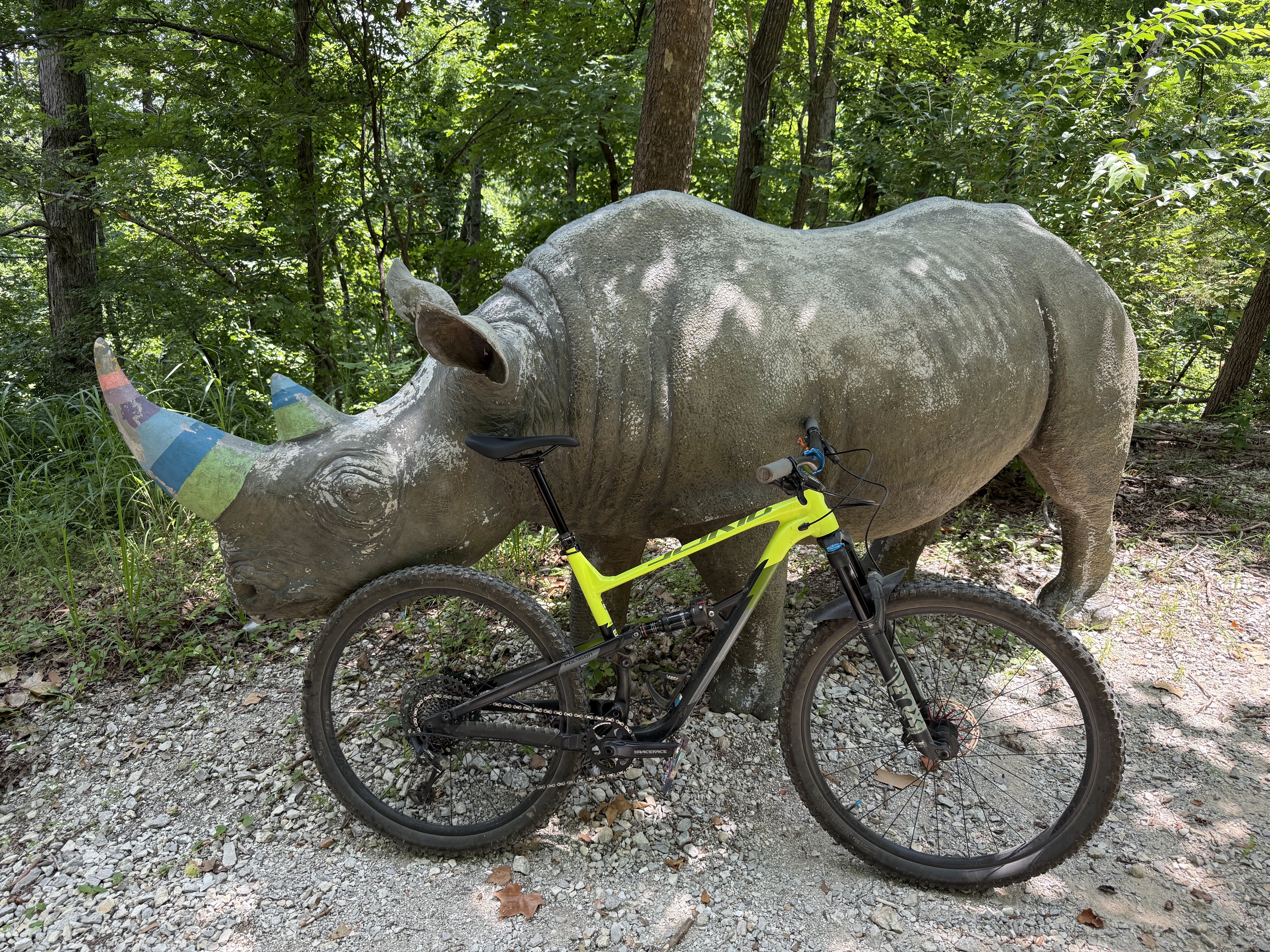
Let’s talk about gear and equipment and we’ll start with bikes. At the Cheq40, you will see every type of bike, so there really is no wrong answer there. You will see fat tire, drop bar gravel, hardtail, full suspension and everything in between. My preference is a full suspension XC bike. There are enough rough sections that full suspension is nice as it keeps your tires on the ground where they belong. As mentioned there is a lot of climbing, so make sure your bike can climb. Choosing a huge travel downhill bike might lead to a long day. My bike this year is a full suspension XC/downcountry bike that has 130mm front travel and 120mm rear travel, with 29” wheels. Don’t feel as though you need the best bike out there to take on this race. My bike is the Polygon Siskiu D7, not a fancy bike by most people’s standards, but I love it. There are a few longer sections of gravel where I’ll reach down and lockout my shock and fork, I only do this a couple times so remote lockout isn’t needed at all, but if you already have it, more power to you!
Moving on to tires, this will probably spark more debate than anything else. I prefer a faster rolling, narrow (by todays standards) XC tire. My preferred choice is the Vittoria Mezcal in 2.25”, Other options may include Schwalbe Racing Ralph, or Maxxis Rekon. Regardless of tire choice I recommend a tubeless setup, but of course I always carry a spare tube with me for emergencies.
There are other equipment choices that are important too. Your choice of shoes/pedals is one of these. Most important is to ride what you are comfortable with, if you have never ridden “clipped in” don’t start now. But if you are totally comfortable with it, then go for it. As mentioned there are some gravel sections and lots of climbing where being firmly attached to your bike can help. My only caution is that there are also steep climbs like the aforementioned firetower climb. There are not a lot of riders who make it up this climb without walking, so just be prepared to unclip. I have done this race on flats and clipped in and don’t have a strong feeling either way, this one comes down to a comfort level of the rider.
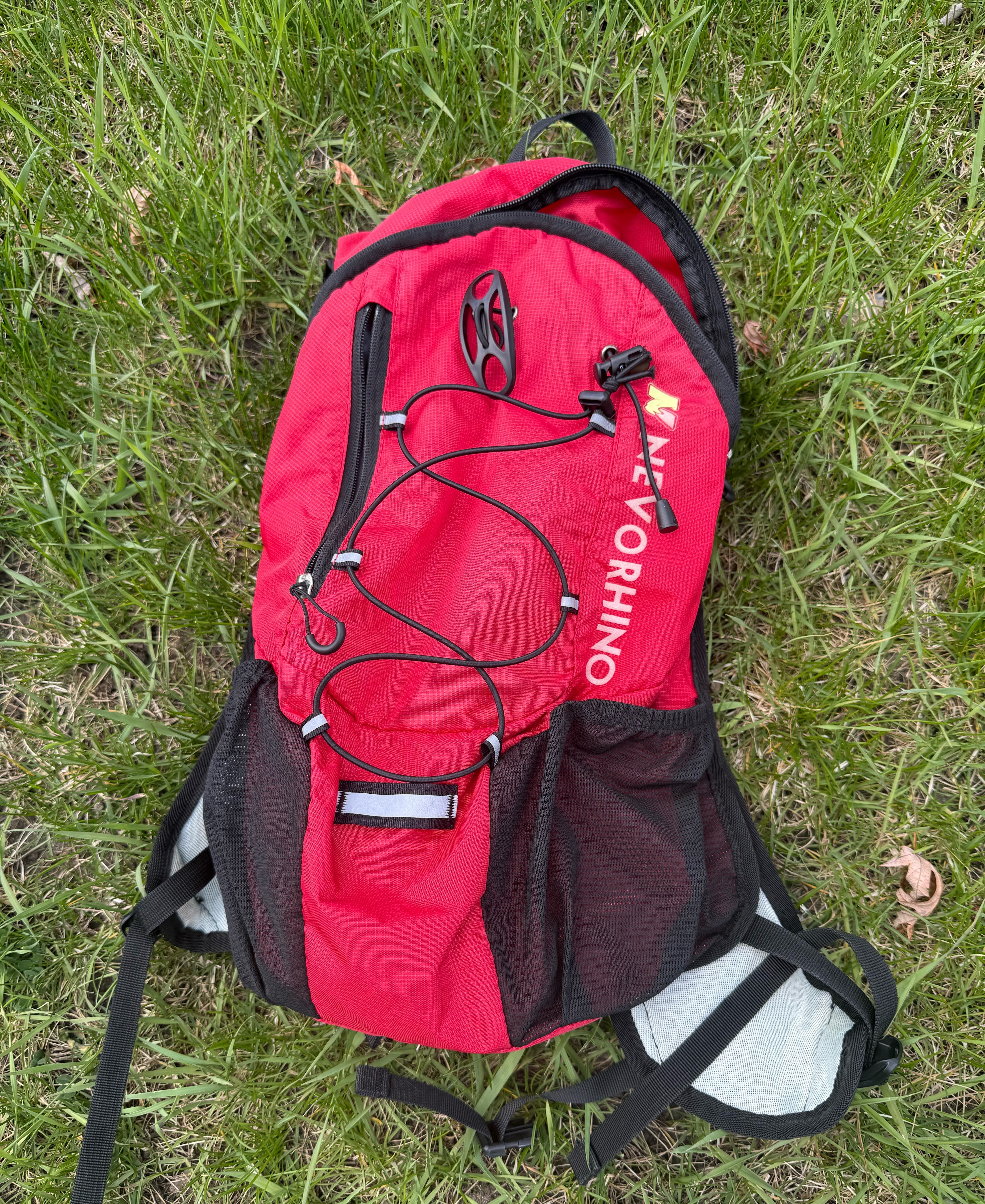
Lastly, we can touch on nutrition and hydration. There is enough at aid stations to get you through the race, but if you aren’t wanting to stop then you will need a hydration system or bottles. While I like to keep stuff off my back when possible, this is a race where I prefer a backpack hydration bladder. It keeps my hands on the handlebars as much as possible, 2 liters is enough for the ride, and I don’t have to worry about losing water bottles. There are a few downhills that are a little rowdy, and as you will see, it will look like a water bottle graveyard. Whenever I pass these spots I feel bad for the folks who lost one of their bottles for the rest of the ride. If you will be using bottles, make sure your cage holds it tight in rough sections. I have used the same hydration pack from Amazon for many long races and thousands of miles and it has held up remarkably well, the only change I made was to replace the stock bladder with a Nathan bladder. These items can be purchased from Amazon by clicking the links below, note that if you click and purchase I may get a small commission at no cost to you.
For a detailed post on what I use for nutrition and hydration on long rides check out this blog post: Next Level Hydration and Fueling – Trail Turtles
The most important thing to bring with you to the Chequamegon Mountain Bike Festival is a good attitude. Whether you are chasing a PR or a finish, you will experience nothing like this event. Have fun and keep pedaling!
 Trail Turtles
Leave a comment